What the Ending Means
The scream and run ending is the reward for completing an escape route without being caught by the map's hunter. It matters because the game is built around reaching an exit under pressure, not defeating an enemy in a final boss fight.
Scream And Run is a Roblox horror escape game with separate themed maps, each placing players in a dangerous location and assigning a recognizable monster to hunt them. Your goal is to stay alive, learn the layout, complete the route, and reach the final escape point.
The ending is best understood as a successful completion scene for the map you selected. It confirms that you escaped the location and survived its monster. It is not currently presented as one long, shared story ending that resolves every map and character.
| Ending element | What it means for players |
|---|---|
| Escape completion | You reached the route's final exit alive. |
| Monster encounter | The hunter remains the central danger until you escape or lose. |
| Map-specific finish | Each setting has its own path, obstacles, and final escape sequence. |
| Replay value | Different maps and monsters make repeat runs feel distinct. |
Because the game focuses on fast horror scenarios, the biggest challenge is usually execution. Knowing that an exit exists is not enough; you need to preserve distance from the monster, avoid wrong turns, and keep moving when the route opens.
A successful ending can feel abrupt after a tense chase, but that is part of the design. The objective is immediate: get out. Once you cross the final threshold, the map's scenario is over and you can choose another lobby, try another map, or replay for a cleaner run.
How to Reach the Escape Ending
Start by choosing a lobby and selecting the map or mode you want to play. Some players use Free Run to get comfortable with movement and pacing before trying a full escape route, especially if they are still learning how quickly the hunter can close distance.
During a normal map, treat every room as both a possible route and a possible trap. Keep track of where you came from, notice doors and corridors that lead forward, and do not stop in open areas unless you have a reason to do so.
Use this simple priority order when you are trying to reach the ending:
- Put distance between yourself and the monster first.
- Follow the clearest forward route rather than searching every corner.
- Turn your camera before committing to a hallway or doorway.
- Avoid backtracking unless the path ahead is blocked.
- Keep your momentum when you find the final exit.
| Situation | Best response | Why it helps |
|---|---|---|
| You hear or see the monster nearby | Turn away and run toward a known route | Hesitating gives the hunter time to close in. |
| You reach a split path | Choose the path with more open space and visibility | Tight turns can become dead ends during a chase. |
| You lose track of progress | Retrace only to the last recognizable landmark | Random wandering wastes time and creates panic. |
| The exit seems close | Do not stop to look back | The ending only triggers after you reach the escape point. |
| You are eliminated | Replay with one route lesson in mind | Learning one dangerous turn at a time is more useful than rushing. |
The best runs are calm, not reckless. Players often lose because they sprint into an unfamiliar section, hit a dead end, and then try to reverse direction while the monster is already close. A slower first exploration attempt can make later escape runs much more reliable.
If you are playing with others, do not assume another player knows the route. A group can help reveal where danger is coming from, but it can also create confusion in narrow spaces. Watch the environment, not just the crowd.
The ending triggers through survival and route completion, so there is no need to confront the monster. Your job is to escape its territory. If a chase begins, use corners, long passages, and any open route that lets you keep running forward.
Maps, Monsters, and End Routes
Scream And Run uses themed maps to vary its horror scenarios. The setting changes, the monster changes, and the route to the ending changes with them. That is why a strategy that worked in one location may not work well in another.
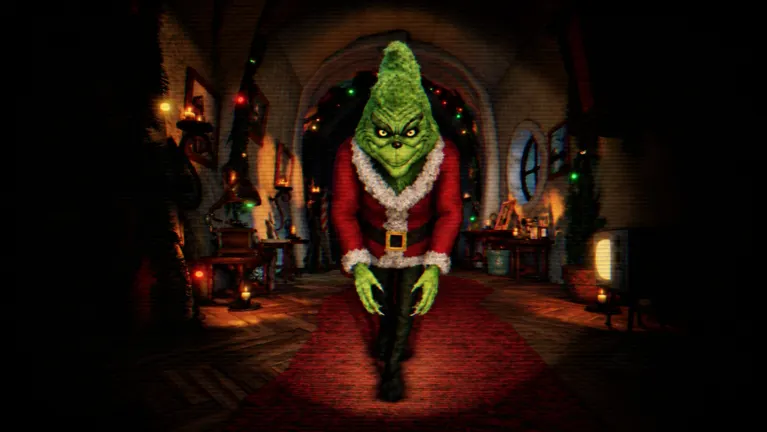
Known map themes include school, mines, a pizzeria, a playhouse, and Whoville-themed content. Their presentation is horror-focused, using familiar-looking places and character-inspired hunters to create a chase-game atmosphere.
| Map or theme | Setting | Reported hunter or focus | Ending approach |
|---|---|---|---|
| School | A school after dark | A character-themed hunter | Learn hallways and avoid getting boxed into rooms. |
| Mines | Underground tunnels | Horror pursuit gameplay | Memorize junctions and keep a forward route available. |
| Pizzeria | A themed restaurant | The Walten Files-inspired content | Watch for narrow rooms and confusing interior turns. |
| Playhouse | Indoor play area | Ronald | Use open areas to keep space during a chase. |
| Whoville House | Whoville-inspired house | Grinch-themed content | Expect tight indoor navigation and quick escape decisions. |
The Whoville House is a good example of why players should check the current map selection before relying on an old route. New map content can introduce a different monster, updated rooms, or an altered path to the finish. The core objective remains the same: survive long enough to leave.
School and mine environments reward route memory. In a school, long halls can be useful for spotting danger, but classrooms and side rooms can become traps. In mines, tunnels may make it harder to see what is ahead, so remembering which branches lead onward is especially valuable.
Pizzeria and playhouse-style maps can feel more chaotic because their layouts are built around themed rooms and props. Do not let the scenery pull your attention away from navigation. If you are not actively moving toward safety or the exit, you are giving the hunter an advantage.
The monster is not just decoration. Its presence determines how aggressively you should move through the level. Some runs may give you room to explore, while others become chases quickly. Adapt to the run instead of expecting the same timing every time.
| Player goal | Practical habit | Result |
|---|---|---|
| Find exits faster | Remember landmarks after each failed run | You spend less time guessing. |
| Survive a chase | Keep moving through open routes | You reduce the chance of being cornered. |
| Handle unfamiliar maps | Explore the first safe route you find | You build a usable escape plan. |
| Improve consistency | Replay one map before switching maps | Repetition makes the ending easier to reach. |
There is no need to wait for a special secret action before leaving. Focus on the map objective, the correct path, and staying out of reach. The escape itself is the payoff.
FAQ
What is the scream and run ending?
The scream and run ending happens when you successfully escape the selected horror map. It marks the end of that map's chase scenario rather than a single final conclusion for the entire game.
Is there one story ending for every map?
No shared narrative finale has been officially confirmed. Maps use different locations and monster themes, so their endings are primarily map-completion escapes.
Do I need to defeat the monster?
No. The practical objective is to avoid the monster and reach the exit. Trying to confront the hunter is usually unnecessary and can end a run.
Which maps can lead to an ending?
School, mines, pizzeria, playhouse, and Whoville-themed maps have all been featured in walkthrough coverage. Available maps may change as the game receives updates.
Why do I keep missing the exit?
Most failed escapes come from losing direction during a chase. Learn one reliable route, identify a few landmarks, and keep running once you recognize the final path.